Rainbet Demo - Canada Practice Play Guide
Learn how to use practice mode, compare games, and play legally in Canada with smart habits before you deposit.
Play Now!







































Legal Use And Eligibility In Canada
Online casino access in Canada is shaped by provincial rules, but the core idea is simple: eligible adults can play on approved online gaming services, and you should always follow the requirements that apply where you live. Rainbet is available to Canadian players in a way that is intended to comply with applicable regulations, which is why you will often see eligibility steps such as age confirmation, location checks, and identity verification when you move beyond free-play features.
In most provinces, the minimum legal gambling age is 19, while Alberta, Manitoba, and Quebec commonly use 18 as the minimum. If you are under the legal age where you live, stop here and do not create an account. If you are of legal age, the safest approach is to treat practice mode as a learning environment: it is legal entertainment for eligible adults, and it helps you understand rules and pacing before any deposits are involved.
A practical note for Canadian players: legality is not just about age. It also includes playing from a permitted location, using payment methods in your own name, and respecting responsible gaming controls. If anything feels unclear, your best move is to pause and confirm the local requirements before you spend money. That mindset keeps your play aligned with the rules and reduces unpleasant surprises later.

What You Get From Practice Mode
Practice play is not just “playing for free” - it is a structured way to learn how games behave without the pressure of real money. When you spin slots or try table games using virtual credits, you get time to understand features, bonus rounds, betting controls, and session rhythm.
Avoid Costly Confusion
That matters because many losses come from confusion: people click too fast, misunderstand side bets, or chase without realizing how quickly stakes add up.
Test Your Habits
For Canadians who want to be disciplined, practice mode is also a testing ground for habits. You can set a timer, play a short session, stop exactly when you planned, and practice “walking away” after a win.
Understand Game Feel
It helps you avoid the trap of assuming every game feels the same. Slots vary wildly in volatility and bonus frequency. Practice sessions help you feel those differences early so you don’t learn them the expensive way.
Rainbet Demo Setup And First Steps In Canada
Starting with practice play should feel straightforward, but doing it properly makes a real difference. The goal is not to mindlessly click around - it is to build familiarity and a repeatable routine you can follow if you later choose to play with real funds.
Before you start, decide what you want from the session. Are you learning the rules of a new table game? Are you comparing two slot styles? Are you testing how quickly your balance moves at different bet sizes? A clear goal keeps your session focused and prevents the “just one more” spiral.
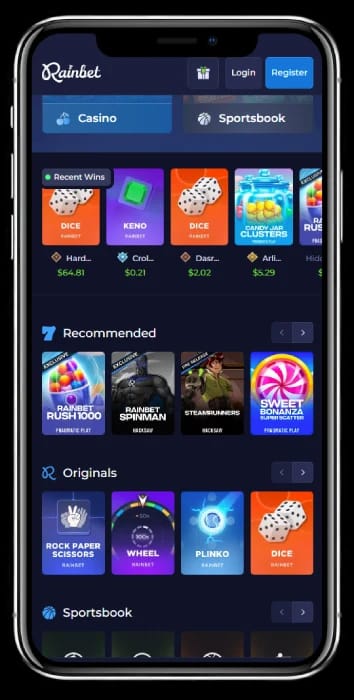
Choosing A Game And Launching Free Play
When you pick a game, start by scanning the betting panel and information screens. A smart sequence is: start at the minimum stake, play 20-30 rounds, then raise the stake gradually and watch how quickly the virtual balance changes. This teaches you the relationship between bet size and session length. If you are testing table games, focus on decision points and get comfortable with the timing.
Understanding Virtual Credits And Limits
Virtual credits are a training tool, not a promise of future outcomes. Treat practice credits like a measuring stick: they help you estimate how long a session might last. Also remember that practice play can differ in feel from real play due to context. Your best practice sessions are the ones that simulate real constraints. Set a time limit. Set a pretend budget. Stop when you hit either. Training yourself to end a session is the single most valuable skill you can build in free-play.
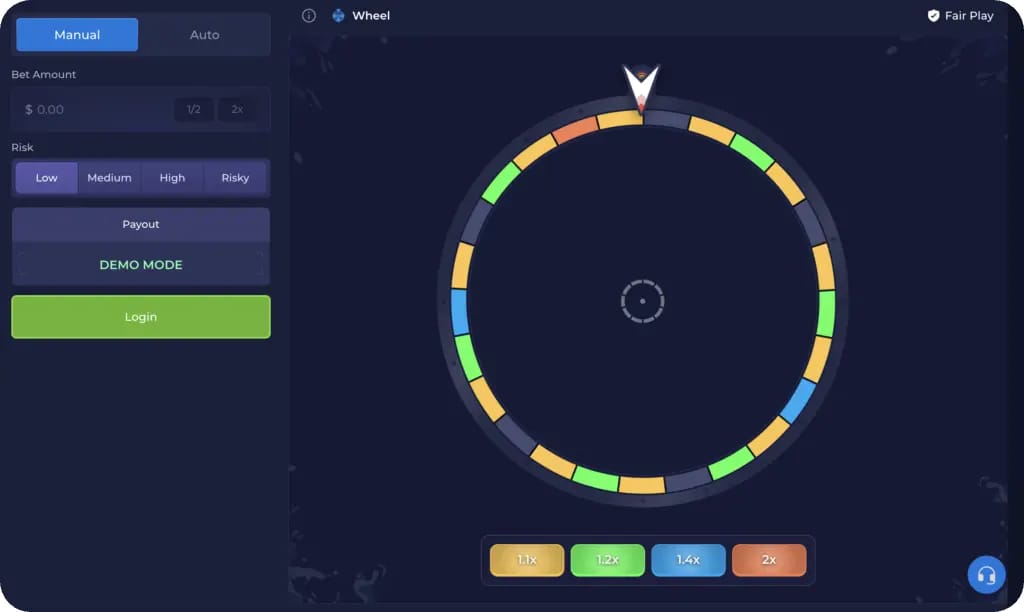
Payments, Verification, And Security For Canadians
Even if you start in practice mode, most players eventually want to know how deposits, withdrawals, and account safety work. In Canada, smooth payments and clear verification are a big part of the overall experience. The best approach is to separate curiosity from commitment. Learn the process first, then decide.
Popular Payment Methods In Canada
Canadian players commonly prefer fast, familiar methods. What matters most is how it matches your priorities:
- Speed: how quickly deposits and withdrawals are processed
- Control: whether you can cap spending easily
- Fees: whether the method introduces extra costs
- Privacy: how the transaction appears on statements
KYC, Identity Checks, And Privacy
Verification is normal in regulated gaming. To keep it smooth, use accurate personal details from day one. Do not treat verification as a nuisance - treat it as part of playing legally and safely. On the security side, use a strong password, avoid reusing old credentials, and enable extra login protections if available.
Safer Play Tools And Budget Rules
Responsible gaming tools matter more than any bonus. A practical budgeting framework is the “three-line rule”:
- Set a maximum monthly entertainment amount you can afford to lose.
- Divide it into weekly caps so a bad weekend does not ruin the month.
- Divide the weekly cap into session limits so one session cannot run away.
If you only take one action after reading this article, make it this: decide your limit when you are calm, and never negotiate with yourself mid-session.
Game Types To Explore Before You Deposit
Practice play becomes truly useful when you explore different categories on purpose. Each type teaches a different skill. Below are the categories that most Canadian players should test first, along with what you should look for while playing for fun.
Slots - Volatility & Features
They behave differently under the hood. Focus on volatility, bonus mechanics, bet scaling, and feature clarity. A strong habit is to play a fixed number of spins at three stakes: minimum, medium, and high.
Live Dealer Tables - Pacing
These feel more social and intense. The pace is slower, which can help avoid rapid-fire decisions. Pay attention to timing, learn bet types, and practice steady decision-making and good etiquette.
Instant Games - Risk Control
Bankrolls disappear fastest here because the feedback loop is immediate. Set a strict timer and watch how many rounds you can play in five minutes. The key skill here is interruption: train yourself to stop on schedule.
Mobile Play - Data Use
Test how the lobby loads on your connection and whether you can see controls without misclicking. Use stable Wi-Fi, close background apps, increase screen brightness, and turn off notifications.
Comparing Games And Tracking Results
If you want practice play to actually improve your decisions, you need a simple way to compare games. Start by tracking three things: session length at a given stake, emotional intensity, and clarity. These three factors predict whether a game will be enjoyable or risky for you personally.
Use the table below as a quick template. Fill it out after short practice sessions across a few game types. It will guide you toward games that fit your pace and away from the ones that trigger impulsive behavior.
| What To Track | How To Observe It | Why It Matters | Quick Practice Tip |
|---|---|---|---|
| Session length | Time your session at one stake | Helps set realistic budgets | Run a 10-minute test at minimum stake |
| Balance swing | Watch how quickly credits rise and fall | Reveals volatility and risk | Note the biggest drop in any 20-round block |
| Bonus frequency | Count triggers over a fixed number of rounds | Sets expectation and patience | Track 50 spins and record triggers |
| Control clarity | Are bet controls easy to understand? | Prevents misclicks and mistakes | Change stake up and down three times |
| Emotional pull | Do you feel an urge to chase? | Predicts future overspending risk | Stop mid-run and rate urge from 1 to 10 |
| Pace | Rounds per minute | Faster pace increases risk | Compare a live table to an instant game |
| Rules confidence | Can you explain the rules simply? | Reduces costly confusion | Summarize the rules in one sentence |
| Stop ability | Can you end on schedule? | Most important safety skill | Set a timer and quit when it rings |
FAQ
Practice play lets eligible Canadian adults open supported games using virtual credits rather than real funds, so you can learn features, controls, and pacing without risking money. It is designed for entertainment and learning, and it should be used within the rules that apply in your province and based on the legal age where you live. The best way to use it is with a purpose: test a game at fixed stakes, time your session, and stop when your timer ends. That routine turns free-play into real preparation instead of endless clicking.
For eligible adults, using free-play features is legal when you follow Canadian requirements such as minimum age, permitted location, and any provincial rules that apply to online gaming access. “Completely legal” also assumes you are truthful about your age and identity and that you are not using restricted payment methods or playing from a location where access is not permitted. If you are unsure, treat that uncertainty as a stop sign and confirm your local rules before switching from practice sessions to real-money play. Staying aligned with regulations is part of responsible gaming, not an optional extra.
Practice sessions are useful for learning, but they should not be treated as proof of future outcomes. Virtual-credit play can help you understand volatility, bonus features, and how quickly a balance moves at different bet sizes, yet it cannot replicate real emotions or guarantee the same short-term streaks. The smartest way to use practice mode is to measure behavior rather than wins: how long a session lasts, how often features trigger, and whether you can stop on schedule. If you base decisions on a “hot” practice streak, you are training the wrong lesson.
Start by testing bet controls, game rules, and session pacing across three formats: a slot, a table game, and a fast instant game. Your goal is to learn which type fits your personality and budget limits, not which one gave you the biggest pretend win. Time each session, track how strong the urge to continue feels, and note whether you understand what is happening without guessing. When you can finish sessions calmly and predict how your balance behaves at a given stake, you are far more prepared to set a real budget responsibly.
The most important habit is deciding limits while calm and refusing to renegotiate mid-session. Set a time limit, a session budget, and a clear stop rule, then practice following them even when you are winning. Add simple friction: take short breaks, avoid playing when stressed, and never try to recover losses by increasing stakes. If a game makes you feel rushed or emotionally hooked, treat that as a sign to switch formats or stop entirely. Responsible play is not about willpower alone - it is about building systems that make impulsive choices harder.
Create separation between entertainment money and essential expenses, then keep sessions small until you understand your patterns. Many players overspend because they raise stakes too quickly, chase after losses, or play longer than planned, so your protection is structure: weekly caps, session timers, and pre-set deposit limits. Start with the lowest stakes that still feel fun, and treat early sessions as paid practice rather than a chance to “win big.” If you cannot follow your limits in short sessions, reduce stakes further or return to free-play until stopping becomes natural.
Fast pacing and intense emotions are common triggers for risky play, so treat them as useful signals rather than something to push through. Slow the environment down by switching to a calmer format, lowering stakes, or moving from instant games to live tables where rounds have built-in pauses. Use a timer and commit to stopping at a fixed time, not at a “better moment,” because waiting for a better moment often becomes an excuse to continue. If intensity keeps spiking, take a longer break and consider using cooling-off tools so the decision to pause is enforced automatically.
Start Your Practice Session
Apply these tips and learn the games safely. Get started with practice play today!
Play Now!